Czytelnia on-line

Medycyna rodzinna Terapia 2025, 12 ( 455 ) :  92  -  100

Czy modyfikacja mikrobioty jest słusznym celem terapii w zespole jelita nadwrażliwego?

Is modifying the microbiota a valid therapeutic goal in irritable bowel syndrome?

Summary: Functional gastrointestinal disorders, including irritable bowel syndrome, are currently referred to as disorders of the gut-brain axis. Irritable bowel syndrome is one of the two most common disorders in this group, alongside functional dyspepsia. The global prevalence of IBS is approximately 11% of the world's population, although this varies between countries and geographical regions. It causes significant discomfort that reduces the quality of life of patients and often makes it difficult to differentiate from organic diseases. The diagnosis is based on the Rome IV criteria, but in the case of alarm symptoms, family history, and patients over 50 years of age, further diagnosis is necessary. Genetic, environmental, and psychosocial factors, intestinal microbiota disorders and the microinflammation they cause, motility disorders, and visceral hypersensitivity play a role in the pathogenesis. Due to the lack of a single etiological factor, the treatment of IBS consists in reducing the severity of symptoms and improving the quality of life of patients, taking into account the pursuit of beneficial modification of the intestinal microbiota, which seems to be an important therapeutic goal. Symptomatic pharmacotherapy involves the use of antispasmodic drugs that regulate motility. Antidepressants have also been shown to be effective as a second-line treatment, confirming that functional disorders are a manifestation of disturbances in the gut-brain axis. Given the important role of the gut microbiota, strategies for its beneficial modification include dietary management, the use of eubiotics that are not absorbed from the gastrointestinal tract (rifaximin), and probiotic therapy using strains tested in randomized clinical trials with proven efficacy. Microbiota transplantation from a healthy donor is still not a recommended therapeutic approach for this indication.
Keywords: irritable bowel syndrome, microbiota, dysbiosis, probiotics, Lactoplantibacillus plantarum, Lactobacillus plantarum, gut-brain interaction
Słowa kluczowe: zespół jelita nadwrażliwego, mikrobiota, dysbioza, probiotyki, Lactoplantibacillus plantarum, Lactobacillis rhamnosus GG, oś mózgowo-jelitowa

Dwie najczęstsze choroby reprezentujące grupę zaburzeń funkcjonowania osi trzewno-mózgowej (disorders of gut-brain interactions, DGBS) to dyspepsja czynnościowa (functional dyspepsia, FD) oraz zespół jelita nadwrażliwego (irritable bowel syndrome, IBS). Zespół jelita nadwrażliwego (inaczej drażliwego) jest chorobą dolnego odcinka przewodu pokarmowego, charakteryzującą się nawracającym bólem brzucha związanym z zaburzeniami częstości wypróżnień i wyglądu stolca oraz ogólnoustrojowym poczuciem choroby, co łącznie znacznie obniża jakość życia.
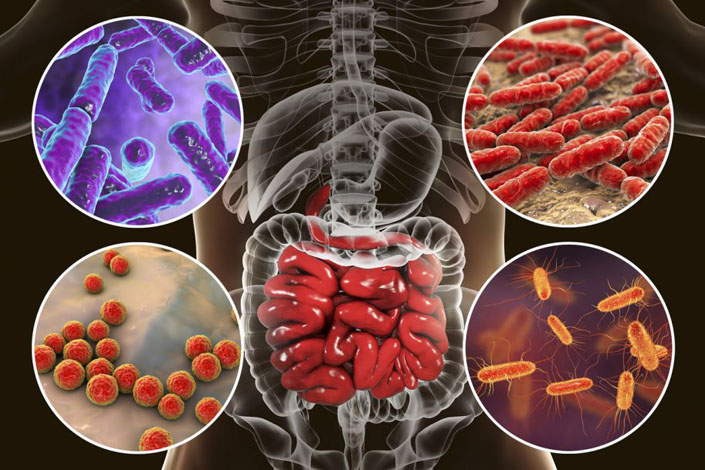
Zdjęcie: Photogenica.

Zaloguj się i przeczytaj bezpłatnie całą treść artykułu.

Nie masz jeszcze konta dostępowego?
Zarejestruj się bezpłatnie, a otrzymasz:
* dostęp do wszystkich doniesień oraz pełnych tekstów artykułów naukowych w naszej Czytelni,
* prawo do bezpłatnego otrzymywania newslettera "Aktualności TERAPIA" z przeglądem interesujących i przydatnych wiadomości ze świata medycyny oraz systemu ochrony zdrowia w Polsce i na świecie,
* możliwość komentowania bieżących wydarzeń oraz udziału w ciekawych quizach i konkursach.
Zapraszamy serdecznie, dołącz do naszej społeczności.
Inne prace autorów:

Dodaj komentarz