Czytelnia on-line

Pediatria Terapia 2025, 11 ( 454 ) :  69  -  74

Współczesne poglądy na leczenie pierwotnej małopłytkowości immunologicznej u dzieci

Current opinion on therapy of primary immune thrombocytopenia in children

Summary: Primary immune thrombocytopenia (ITP) in childhood is self- -limiting disease, usually with a short and mild disease trait. In some patients treatment is necessary due to an increased risk of bleeding or a significant reduction in quality of life. Conventional therapy of ITP includes glucorticosteroids and intravenous immunoglobulins. Despite their widespread use, some patients fail to achieve sustained remission. In cases of relapsed, chronic, or multidrug-resistant disease, second- -line treatment is implemented, including thrombopoietin receptor agonists, rituximab, mycophenolate mofetil, and other modern immunosupressive drugs. In parallel, intensive research is underway on new therapeutic molecules that act through distinct immunomodulatory mechanisms at cellular level, offering the prospect of expanding therapeutic options for ITP. Splenectomy remains the least frequently used treatment option for ITP. It has been proved that combined treatment strategies, using new drug categories in an early clinical phase of ITP, can improve the chance for complete and persistent remission. Therapy is individualized not only on the drugs availability basis. Current treatment decisions in childhood ITP are based on clinical activity of thrombocytopenia, quality of life and patients expectations regarding therapy itself.
Keywords: immune thrombocytopenia, therapy, children
Słowa kluczowe: małopłytkowość immunologiczna, terapia, dzieci

Pierwotna małopłytkowość immunologiczna (primary immune thrombocytopenia, ITP) jest jednym z najczęstszych schorzeń hematologicznych rozpoznawanych w populacji pediatrycznej. Współcześnie ITP jest definiowana jako choroba autoimmunologiczna, charakteryzująca się izolowanym zmniejszeniem liczby płytek we krwi poniżej wartości 100 × 109 /l, przy jednocześnie potwierdzonym braku innych czynników mających związek z trombocytopenią (1).
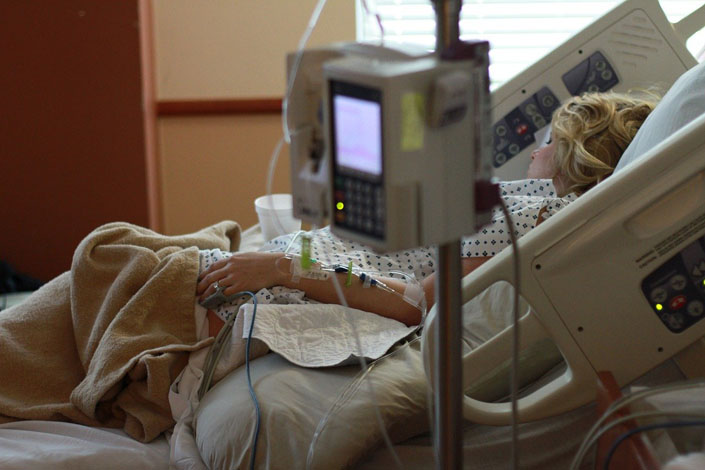
Zdjęcie: Photogenica.

Zaloguj się i przeczytaj bezpłatnie całą treść artykułu.

Nie masz jeszcze konta dostępowego?
Zarejestruj się bezpłatnie, a otrzymasz:
* dostęp do wszystkich doniesień oraz pełnych tekstów artykułów naukowych w naszej Czytelni,
* prawo do bezpłatnego otrzymywania newslettera "Aktualności TERAPIA" z przeglądem interesujących i przydatnych wiadomości ze świata medycyny oraz systemu ochrony zdrowia w Polsce i na świecie,
* możliwość komentowania bieżących wydarzeń oraz udziału w ciekawych quizach i konkursach.
Zapraszamy serdecznie, dołącz do naszej społeczności.

Inne prace autorów:

Dodaj komentarz