Czytelnia on-line

Medycyna rodzinna Terapia 2025, 9 ( 452 ) :  111  -  116

Preferowane i alternatywne wybory terapii inhalacyjnej – o właściwych wyborach terapeutycznych zgodnych z wytycznymi i standardami

Preferred and alternative inhalation therapy choices – appropriate therapeutic choices in line with guidelines and standards

Summary: Aerosol therapy is the optimal method for delivering medications to the respiratory system, and the individual selection of an inhalation device is crucial for treatment effectiveness. GINA guidelines have long indicated age as the primary determinant of choice. For infants and young children (up to 4 years of age), pMDIs with inhalation chambers (IC) or nebulizers— either devices with a face mask—are preferred. Preschool children (4–5 years of age) can use pMDIs with IC or nebulizers (equipped with a mouthpiece), with pMDIs being preferred for frequent medication administration due to shorter treatment times and greater portability. For patients over 6 years of age (including adolescents and adults) who can generate an inspiratory flow rate >30 L/min, dry powder inhalers (DPIs) or pMDIs (with or without IC) are preferred. Nebulizers are the second choice in most situations, primarily due to the long treatment duration, power requirements, variable and relatively low drug deposition, and higher costs. Dispersing the drug with the patient's inspiration in a DPI eliminates the need for coordination typical of pMDIs, and most children over 6 years of age are able to achieve the required PIF. DPIs offer higher pulmonary deposition (up to 40–50% of the dose) compared to nebulizers. Treatment costs with DPIs are up to five times lower than with nebulization, due to lower nominal drug doses and improved delivery efficiency. Furthermore, a single inhalation with a DPI replaces approximately 10 minutes of nebulization, saving time for the patient and caregivers. DPIs are also more environmentally friendly because they do not contain propellants and have the lowest carbon footprint of all aerosol therapy methods. They also offer convenience (small size), stability, and feedback mechanisms to confirm correct dose administration to the patient.
Keywords: nebulisation, dry powder inhaler, pressure metered dose inhaler, devise choice
Słowa kluczowe: nebulizacje, inhalatory suchego proszku, dozujące inhalatory ciśnieniowe, dobór metody aerozoloterapii

Aerozoloterapia (terapia wziewna, leczenie inhalacyjne), polegająca na podawaniu do układu oddechowego substancji leczniczych w postaci aerozolu, jest uznawana za najlepszą metodę dostarczania leków do tego układu. Umożliwia podawanie leków do miejsc, w których toczy się proces chorobowy, w dawce w znacznie mniejszej niż przy podawaniu systemowym. Zmniejsza to ryzyko działań niepożądanych, a początek działania leku jest bardzo szybki. Nie ma też ryzyka zakrztuszenia lekiem (jak przy podawaniu doustnym) ani traumatyzacji (np. iniekcje). Terapia wziewna stosowana jest głównie w leczeniu miejscowym chorób dolnych dróg oddechowych (zwłaszcza oskrzeli), ale także górnych dróg oddechowych. Dostępnych jest kilka metod wytwarzania aerozoli, a najwięcej leków dostępnych jest do podawania w postaci dozujących inhalatorów ciśnieniowych (pressurized metered-dose inhaler, pMDI) i inhalatorów suchego proszku (dry powder inhaler, DPI). Mniej leków dostępnych jest w postaci przeznaczonej do nebulizacji lub dozujących inhalatorów cieczowych (metered-dose liquid inhaler, MDLI), określanych również jako inhalator miękkiej mgły (soft mist inhaler, SMI; inhalator ciśnieniowy odmierzonej dawki leku ciekłego).
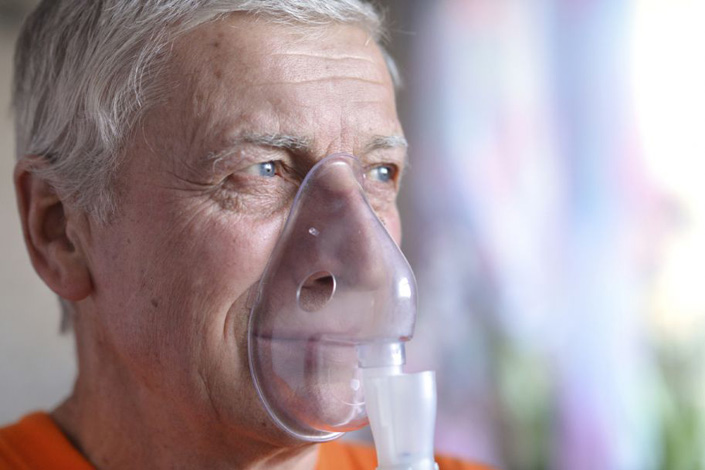
Zdjęcie: Photogenica.

Zaloguj się i przeczytaj bezpłatnie całą treść artykułu.

Nie masz jeszcze konta dostępowego?
Zarejestruj się bezpłatnie, a otrzymasz:
* dostęp do wszystkich doniesień oraz pełnych tekstów artykułów naukowych w naszej Czytelni,
* prawo do bezpłatnego otrzymywania newslettera "Aktualności TERAPIA" z przeglądem interesujących i przydatnych wiadomości ze świata medycyny oraz systemu ochrony zdrowia w Polsce i na świecie,
* możliwość komentowania bieżących wydarzeń oraz udziału w ciekawych quizach i konkursach.
Zapraszamy serdecznie, dołącz do naszej społeczności.
Inne prace autorów:

Dodaj komentarz