
Medycyna rodzinna Terapia 2025, 9 ( 452 ) : 132 - 138
Oseltamiwir w walce z grypą: bezpieczeństwo, skuteczność i rola w profilaktyce poekspozycyjnej
Oseltamivir in the fight against influenza: safety, effectiveness and the role in post-exposure prophylaxis
Objective. To provide a practical summary of the mechanism of action, clinical efficacy, safety pro-file, contraindications, interactions, and dosage of oseltamivir in light of current guidelines (WHO, CDC, IDSA) and key clinical studies.
Discussion. Oseltamivir selectively inhibits the neuraminidase of influenza A and B viruses, limiting the release of virions and the spread of infection. Meta-analyses and randomized trials have demonstrated that early treatment reduces the duration of symptoms, decreases contagiousness and disease severity, and lowers the risk of complications, including otitis media in children, as well as the risk of death among hospitalized patients. The drug is well tolerated; the most common side effects are nausea and vomiting. Reports of neuropsychiatric events are inconsistent; reviews do not confirm an increase in risk in an unequivocal manner. Post-exposure prophylaxis with oseltamivir significantly reduces the risk of influenza in the home and care institutions, provided it is started within 48 hours of exposure.
Conclusions. Oseltamivir remains the cornerstone of effective treatment of influenza and its post-exposure prophylaxis. Early initiation of treatment and proper patient selection are key to good clinical outcomes. International and European recommendations recommend the use of oseltamivir, particularly in high-risk patients, hospitalized patients, and during epidemic outbreaks.
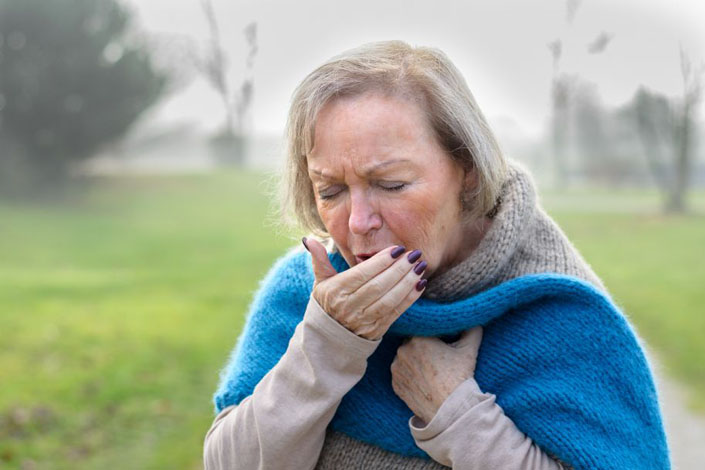
Grypa, ostre zakażenie układu oddechowego wywołane przez RNA wirusy grypy z rodziny Orthomyxoviridae, choć powszechnie bagatelizowana jako sezonowa dolegliwość, pozostaje jednym z najpoważniejszych zagrożeń zdrowotnych na świecie, w tym i w Polsce. Ciężki przebieg dotyczy zwłaszcza osób starszych, z chorobami przewlekłymi lub immunosupresją, kobiet w ciąży i dzieci poniżej 5. roku życia. Aktualne wytyczne WHO, CDC i IDSA podkreślają rolę wczesnej diagnostyki i wdrożenia leczenia przeciwwirusowego u pacjentów z grup ryzyka i chorych hospitalizowanych (1–3).
Zaloguj się i przeczytaj bezpłatnie całą treść artykułu.
Nie masz jeszcze konta dostępowego?
Zarejestruj się bezpłatnie, a otrzymasz:
* dostęp do wszystkich doniesień oraz pełnych tekstów artykułów naukowych w naszej Czytelni,
* prawo do bezpłatnego otrzymywania newslettera "Aktualności TERAPIA" z przeglądem interesujących i przydatnych wiadomości ze świata medycyny oraz systemu ochrony zdrowia w Polsce i na świecie,
* możliwość komentowania bieżących wydarzeń oraz udziału w ciekawych quizach i konkursach.
Zapraszamy serdecznie, dołącz do naszej społeczności.

Dodaj komentarz