Czytelnia on-line

Pediatria Terapia 2026, 2 ( 457 ) :  12  -  18

Astma wczesnodziecięca – aktualne zasady diagnostyki i leczenia

Childhood asthma – current principles of diagnosis and treatment

Summary: Early childhood asthma is a significant health problem in the population of children aged 5 years and younger. The etiopathogenesis of this disease entity is multifactorial and includes both genetic and environmental factors. The clinical picture is dominated by recurrent episodes of bronchial obstruction, most often in the course of viral respiratory tract infections. Diagnosis of the disease is difficult, among other things, due to the limited possibilities of performing respiratory function tests in the youngest age group. The diagnosis of early childhood asthma is based on confirmation of bronchial obstruction in temporal association with reported symptoms, differential diagnosis, and demonstration of clinical improvement after initiation of anti-asthmatic treatment. The goal of treatment is to achieve the best possible control of symptoms, enable the child to be fully active, and prevent exacerbations and deterioration of respiratory parameters over the course of the disease. The treatment of early childhood asthma is based on a stepwise approach and the selection of a therapeutic strategy depending on the frequency and severity of symptoms and the response to treatment to date. In many children, asthma symptoms gradually improve and disappear by school age. However, it should be emphasized that they may recur in later years, including adulthood.
Keywords: childhood asthma, wheezing, breathlessness, Global Initiative for Asthma, children
Słowa kluczowe: astma wczesnodziecięca, świszczący oddech, duszność, Globalna Inicjatywa na Rzecz Rozwoju Astmy, dzieci

Astma, zgodnie z definicją GINA (Global Initiative for Asthma), to heterogenna choroba dróg oddechowych o podłożu zapalnym, w której obrazie klinicznym występują m.in. uczucie duszności i/lub ucisku w klatce piersiowej, kaszel oraz świszczący oddech. Objawy te powinny być zmienne w czasie, ustępować samoistnie lub pod wpływem leczenia oraz wiązać się ze zmiennością wydechowego przepływu powietrza. Heterogenność astmy oznacza, że w jej etiopatogenezie biorą udział liczne zaburzenia szlaków komórkowych (endotypy), mogące dawać zmienny obraz kliniczny (fenotyp), co przekłada się na różną odpowiedź kliniczną na zastosowane leczenie (1,2).
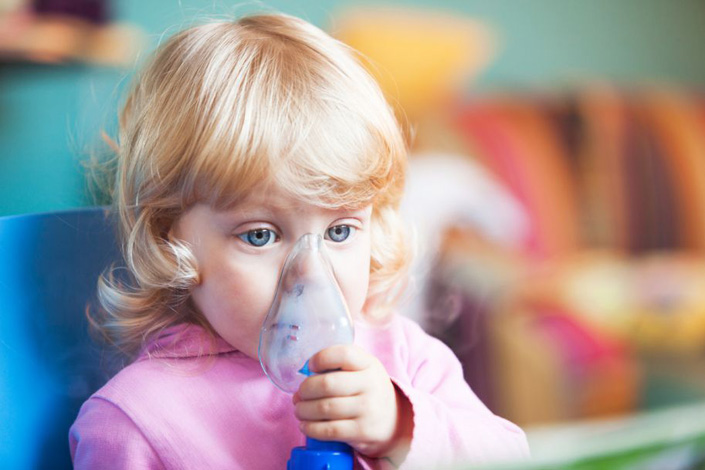
Zdjęcie: Photogenica.

Zaloguj się i przeczytaj bezpłatnie całą treść artykułu.

Nie masz jeszcze konta dostępowego?
Zarejestruj się bezpłatnie, a otrzymasz:
* dostęp do wszystkich doniesień oraz pełnych tekstów artykułów naukowych w naszej Czytelni,
* prawo do bezpłatnego otrzymywania newslettera "Aktualności TERAPIA" z przeglądem interesujących i przydatnych wiadomości ze świata medycyny oraz systemu ochrony zdrowia w Polsce i na świecie,
* możliwość komentowania bieżących wydarzeń oraz udziału w ciekawych quizach i konkursach.
Zapraszamy serdecznie, dołącz do naszej społeczności.

Inne prace autorów:
  • dr n. med. Agnieszka Kowalczyk Katedra i Klinika Pediatrii, Alergologii i Gastroenterologii, Collegium Medicum im. Ludwika Rydygiera w Bydgoszczy, Uniwersytet Mikołaja Kopernika w Toruniu
  • dr n. med. Julia Tworowska Katedra Pediatrii, Alergologii i Gastroenterologii, Collegium Medicum im. Ludwika Rydygiera w Bydgoszczy, Uniwersytet Mikołaja Kopernika w Toruniu

Dodaj komentarz