Czytelnia on-line

Medycyna rodzinna Terapia 2026, 3 ( 458 ) :  28  -  30

Kontaktowe zapalenie skóry wywołane stosowaniem urządzeń dla diabetyków

Contact dermatitis elicited by diabetes medical devices

Summary: The introduction of glucose sensors and continuous subcutaneous insulin infusion systems was a breakthrough in the treatment of diabetes mellitus type I (DM type I). With accurate glycaemic control these devices enhance the management of DM type I, reduce the risk of long-term complications and vastly improve the patients’ quality of life. However, over the past years, cases of irritant and allergic contact dermatitis elicited by diabetes medical devices, both glucose sensors and insulin infusion pumps, have been reported. Acrylates, in particular isobornyl acrylate (IBOA), are considered to be the causative agents of contact dermatitis. It is a group of chemical agents present in glues used to attach glucose sensors and infusion kits to the skin as well as in the plastic components of the devices. Acrylates and their derivates have potency to induce irritation in contact with skin as well as to sensitise individuals and elicit allergic contact dermatitis upon repeated exposure. Apart from acrylates allergens such as epoxy resin, colophonium or nickel were also identified as causative ones. Unfortunately, manufacturers usually do not disclose the lists of exact chemical compounds used in the production proces of diabates medical devices, hampering the identification of allergens and irritants responsible for contact dermatitis. Therefore, diagnostics and treatment of contact dermatitis elicited by diabetes medical devices is remains a challenge.
Keywords: contact dermatitis, insulin pumps, glucose sensors, acrylates, acryl isobornyl
Słowa kluczowe: kontaktowe zapalenie skóry, pompy insulinowe, sensory glukozy, akrylany, izobornyl akrylu

Dzięki intensywnemu rozwojowi inżynierii biomedycznej coraz więcej pacjentów z cukrzycą typu 1 jest leczonych ciągłym podskórnym wlewem insuliny (tzw. pompami insulinowymi) oraz korzysta z systemów do ciągłego monitorowania poziomu glikemii (tzw. sensorów glukozy). Zwiększenie dostępu do tego typu urządzeń medycznych nie tylko poprawiło jakość życia osób z cukrzycą, ale również przyczyniło się do zdecydowanie lepszych wyników terapeutycznych w tej grupie pacjentów (1,2).
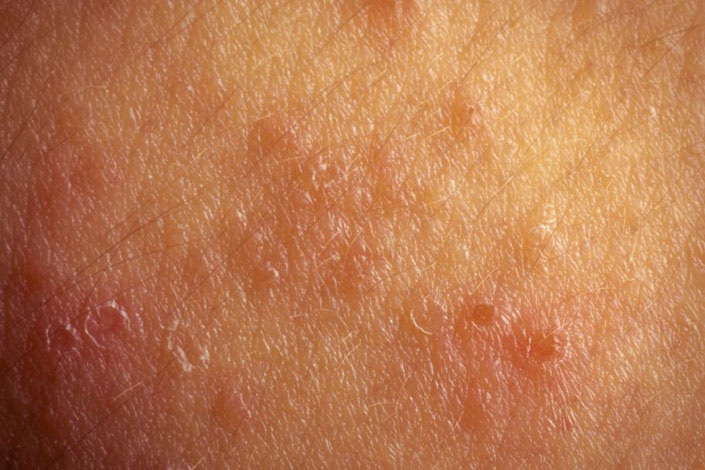
Zdjęcie: Photogenica.

Zaloguj się i przeczytaj bezpłatnie całą treść artykułu.

Nie masz jeszcze konta dostępowego?
Zarejestruj się bezpłatnie, a otrzymasz:
* dostęp do wszystkich doniesień oraz pełnych tekstów artykułów naukowych w naszej Czytelni,
* prawo do bezpłatnego otrzymywania newslettera "Aktualności TERAPIA" z przeglądem interesujących i przydatnych wiadomości ze świata medycyny oraz systemu ochrony zdrowia w Polsce i na świecie,
* możliwość komentowania bieżących wydarzeń oraz udziału w ciekawych quizach i konkursach.
Zapraszamy serdecznie, dołącz do naszej społeczności.

Inne prace autorów:

Dodaj komentarz