Czytelnia on-line

Medycyna rodzinna Terapia 2025, 9 ( 452 ) :  98  -  106

Ostre porfirie wątrobowe w praktyce POZ

Acute hepatic porphyrias in primary care practice

Summary: Acute hepatic porphyrias (AHP) include acute intermittent porphyria, variegate porphyria, hereditary coproporphyria, and aminolevulinic acid dehydratase deficiency porphyria. Disorders of the heme synthesis pathway result in the overproduction of neurotoxic ALA and PBG. Clinically, recurrent episodes of severe abdominal pain without peritoneal signs predominate, often accompanied by autonomic disorders, electrolyte disturbances (especially hyponatremia), and neurological and psychiatric symptoms; in VP and HCP, skin lesions may coexist in areas exposed to UV light. In Poland, the patient population is estimated at 400–500 people, with a predominance of AIP and low clinical penetration, which results in difficulties in making a timely and correct diagnosis. A practical diagnostic algorithm for primary care professionals is based on quantitative determination of PBG and ALA in urine (preferably during an attack), with protection of the sample from light and appropriate transport logistics; results below 4× GGN justify diagnosis and urgent referral to a reference center. Management of an acute attack includes rapid rehydration and glucose supply, and in more severe cases, intravenous administration of heme, pain control, and treatment of complications. Prevention of attacks includes modification of triggering factors and pharmacological treatment in patients with frequent or severe attacks, including prophylactic administration of hemine, hormonal interventions in women, and givosiran, which has been available in Poland for several years under a drug program. The importance of early diagnosis, proper preservation of material, and rapid implementation of treatment to reduce neurological, renal, and hepatic complications was discussed.
Keywords: abdominal pain, gamma-aminolevulinic acid, heme, porphobilinogen, porphyrias.
Słowa kluczowe: ból brzucha, kwas gamma-aminolewulinowy, hem, porfobilinogen, porfirie

Ból brzucha pozostaje jednym z najczęstszych powodów konsultacji w podstawowej opiece zdrowotnej. W przypadku, gdy wstępna diagnostyka nie potwierdza typowych przyczyn organicznych, rozpoznanie często kieruje się w stronę dolegliwości czynnościowych. Jednak nawracające, niewyjaśnione epizody bólowe powinny skłaniać do uwzględnienia w diagnostyce różnicowej ostrych porfirii wątrobowych (acute hepatic porphyrias, AHP). Charakterystyczną trudnością diagnostyczną jest zmienny przebieg choroby – od napadów powtarzających się cyklicznie, przez epizody występujące raz na kilka lat, aż po pojedynczy incydent w ciągu całego życia.
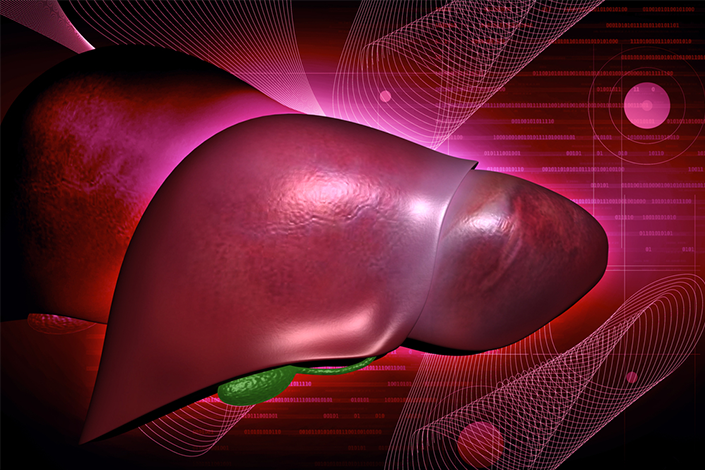
Zdjęcie: Photogenica.

Zaloguj się i przeczytaj bezpłatnie całą treść artykułu.

Nie masz jeszcze konta dostępowego?
Zarejestruj się bezpłatnie, a otrzymasz:
* dostęp do wszystkich doniesień oraz pełnych tekstów artykułów naukowych w naszej Czytelni,
* prawo do bezpłatnego otrzymywania newslettera "Aktualności TERAPIA" z przeglądem interesujących i przydatnych wiadomości ze świata medycyny oraz systemu ochrony zdrowia w Polsce i na świecie,
* możliwość komentowania bieżących wydarzeń oraz udziału w ciekawych quizach i konkursach.
Zapraszamy serdecznie, dołącz do naszej społeczności.

Inne prace autorów:

Dodaj komentarz