Czytelnia on-line

Pneumonologia i alergologia Terapia 2025, 10 ( 453 ) :  13  -  17

Rola makrolidów w prewencji zaostrzeń chorób płuc

The role of macrolides in the prevention of pulmonary disease exacerbations

Summary: Macrolides represent a group of antibiotics with a well-known bacteriostatic mechanism of action. In recent years, studies have also confirmed their pleiotropic immunomodulatory properties, which are important in the treatment of chronic respiratory diseases. It has been demonstrated that macrolides modulate macrophage polarization, reduce the production of pro-inflammatory cytokines, improve the efficiency of phagocytosis, and limit the influx of neutrophils to the site of inflammation. Azithromycin, in particular, has significant anti-inflammatory potential, which is the basis for its use beyond classic antibacterial indications. Macrolides are mentioned in many clinical guidelines. The GINA 2025 report recommends the consideration of low doses of azithromycin as off-label adjunctive therapy in adults with difficult-to-control asthma, although Polish recommendations do not take this into account. According to GOLD 2025, macrolides are recommended primarily as maintenance therapy in COPD patients with frequent exacerbations. However, the document emphasises their risk of adverse effects, including resistance, QTc prolongation and ototoxicity. The ERS 2025 guidelines advocate the administration of azithromycin to a wide group of patients diagnosed with bronchiectasis, including those suffering from a chronic P. aeruginosa infection. In the context of interstitial lung diseases, particularly in cases of organizing pneumonia, the use of macrolides has been observed to potentially reduce the necessity for steroids, although the available evidence is currently limited. In the context of chronic cough, there is no scientific evidence to support the routine utilisation of these medications.
Keywords: macrolides, immunomodulatory therapy, pleiotropic effect, azithromycin, long-term therapy, lung diseases, exacerbation prevention, adjunctive therapy
Słowa kluczowe: makrolidy, terapia immunomodulująca, działanie plejotropowe, azytromycyna, leczenie przewlekłe, choroby płuc, profilaktyka zaostrzeń, leczenie wspomagające

Makrolidy to grupa naturalnie występujących związków wytwarzanych przez bakterie z rodzaju Streptomyces (1). Wykazują działanie bakteriostatyczne, szczególnie wobec bakterii Gram-dodatnich. Hamują syntezę białek bakteryjnych poprzez wiązanie się z podjednostką 50S rybosomów bakteryjnych, tym samym zapobiegając wzrostowi i rozmnażaniu bakterii (1-3). Działanie to jest szeroko stosowane w leczeniu infekcji układu oddechowego, zwłaszcza wywołanych przez bakterie atypowe, a także w terapii zakażeń skóry czy układu moczowo- -płciowego (4,5).
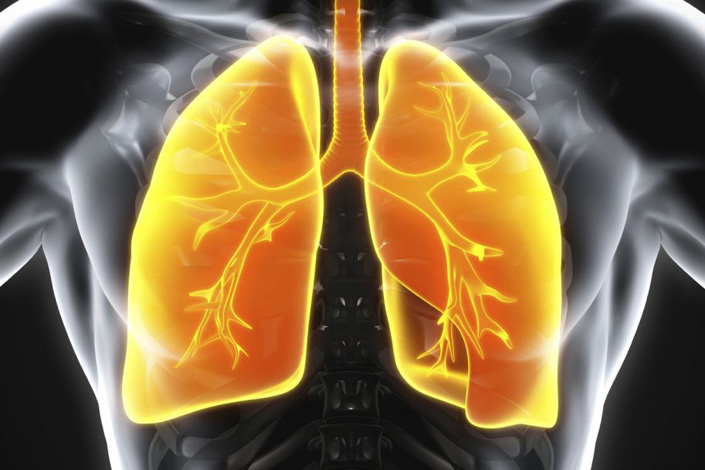
Zdjęcie: Photogenica.

Zaloguj się i przeczytaj bezpłatnie całą treść artykułu.

Nie masz jeszcze konta dostępowego?
Zarejestruj się bezpłatnie, a otrzymasz:
* dostęp do wszystkich doniesień oraz pełnych tekstów artykułów naukowych w naszej Czytelni,
* prawo do bezpłatnego otrzymywania newslettera "Aktualności TERAPIA" z przeglądem interesujących i przydatnych wiadomości ze świata medycyny oraz systemu ochrony zdrowia w Polsce i na świecie,
* możliwość komentowania bieżących wydarzeń oraz udziału w ciekawych quizach i konkursach.
Zapraszamy serdecznie, dołącz do naszej społeczności.
Inne prace autorów:

Dodaj komentarz