Czytelnia on-line

Medycyna rodzinna Terapia 2026, 3 ( 458 ) :  106  -  111

Gliptyny i ich miejsce w leczeniu cukrzycy typu 2

Gliptins and their place in the treatment of type 2 diabetes

Summary: Intensive glycemic control is a therapeutic priority from the moment type 2 diabetes is diagnosed. Therefore, polytherapy using drugs with different mechanisms of action should be used more frequently during the first year of treatment. The first step in treating type 2 diabetes is often metformin, which increases insulin sensitivity. However, achieving optimal long- -term glycemic control requires adding a drug that increases insulin secretion (insulin mimetic) early on. Sulfonylureas were used for this purpose for years; however, they effectively lower blood glucose levels but have adverse effects on body weight and significantly increase the risk of hypoglycemia. Therefore, gliptins are currently the preferred insulin mimetics. Gliptins prolong the half-life of incretin hormones, such as glucagon- -like peptide 1 (GLP-1) and glucose-dependent insulinotropic polypeptide (GIP). These hormones are secreted in the gastrointestinal tract in response to food intake and stimulate insulin secretion. Unfortunately, GLP-1 and GIP have a short duration of action because they are broken down within one to two minutes by the proteolytic enzyme dipeptidyl peptidase 4 (DPP4). Gliptins are DPP4 inhibitors (DPP4i) that increase endogenous insulin secretion by inhibiting the degradation of GLP-1 and GIP. Since GLP-1 and GIP secretion increases after meals when glucose concentrations in the gastrointestinal tract and blood are high and decreases between meals, gliptins do not cause hypoglycemia. In addition to their antihyperglycemic effects, gliptins do not lead to weight gain, and large clinical trials have confirmed their cardiovascular safety. This article discusses the role of gliptins in the treatment of type 2 diabetes, both as monotherapy and in combination with other antidiabetic drugs.
Keywords: type 2 diabetes, gliptins, dipeptidyl peptidase-4 inhibitors, DPP4i, incretins, glycemic control, risk of hypoglycemia
Słowa kluczowe: cukrzyca typu 2, gliptyny, inhibitory dipeptydylopeptydazy 4, DPP4i, inkretyny, kontrola glikemii, ryzyko hipoglikemii

Uzyskanie prawidłowej kontroli glikemii stanowi priorytet terapeutyczny od początku rozpoznania cukrzycy typu 2. W dużych badaniach klinicznych udowodniono, że opóźnienie skutecznego leczenia cukrzycy o rok, w perspektywie 12 lat zwiększa o 51% ryzyko udaru mózgu, o 64% ryzyko niewydolności serca, a o 67% ryzyko zawału serca (1). Z kolei obniżenie hemoglobiny glikowanej (HbA1c) o 1% w pierwszym roku od rozpoznania cukrzycy pozwala zredukować ryzyko zgonu z jakiejkolwiek przyczyny o 18,8%, podczas gdy takie samo obniżenie HbA1c 10 lat po rozpoznaniu – tylko o 2,7% (2).
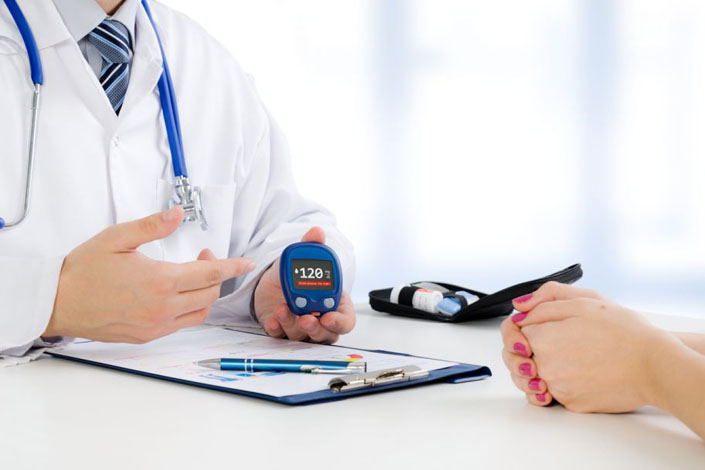
Zdjęcie: Photogenica.

Zaloguj się i przeczytaj bezpłatnie całą treść artykułu.

Nie masz jeszcze konta dostępowego?
Zarejestruj się bezpłatnie, a otrzymasz:
* dostęp do wszystkich doniesień oraz pełnych tekstów artykułów naukowych w naszej Czytelni,
* prawo do bezpłatnego otrzymywania newslettera "Aktualności TERAPIA" z przeglądem interesujących i przydatnych wiadomości ze świata medycyny oraz systemu ochrony zdrowia w Polsce i na świecie,
* możliwość komentowania bieżących wydarzeń oraz udziału w ciekawych quizach i konkursach.
Zapraszamy serdecznie, dołącz do naszej społeczności.

Inne prace autorów:
  • dr hab. n. med. Alina Kuryłowicz, prof. CMKP 1). Klinika Chorób Wewnętrznych i Gerontokardiologii, Samodzielny Publiczny Szpital Kliniczny im. prof. W. Orłowskiego, Warszawa, 2). Centrum Medyczne Kształcenia Podyplomowego w Warszawie

Dodaj komentarz