Czytelnia on-line

Gastroenterologia Terapia 2026, 5 ( 460 ) :  8  -  16

Czy nowe Kryteria Rzymskie V to rewolucja w IBS?

Will the new Rome V Criteria be a revolution in Irritable Bowel Syndrome?

Summary: Irritable Bowel Syndrome is one of the most common disorders of gut-brain interaction and represents a significant clinical challenge due to its high prevalence, chronic course, and substantial impact on patients' quality of life. In May 2026, the Rome Foundation published the new Rome V Criteria, updating the approach to the diagnosis and management of disorders of gut-brain interaction, previously referred to as functionalgastrointestinal disorders. This article discusses the most important changes concerning the diagnosis and management of IBS in light of the new criteria. It presents the current definition of the disorder, modifications in diagnostic criteria, and their potential impact on epidemiology, indicating a possible increase in the estimated prevalence of IBS to 8-12% of the adult population. The importance of a positive symptom-based diagnosis is emphasized, without the need for extensive exclusionary testing in most patients, while taking alarm features into account and applying additional investigations selectively. Special attention is given to the contemporary understanding of IBS as a disorder of the gut-brain axis, in which biological, psychological, and social factors contribute to pathogenesis, including diet, stress, gut microbiota, and immune-mediated mechanisms. The article also highlights the importance of effective physician-patient communication and current therapeutic strategies, including lifestyle modification, dietary interventions, and pharmacological treatment tailored to the clinical subtype of the disorder. This paper provides an overview of the changes introduced by the Rome V Criteria and addresses whether these new recommendations may represent a breakthrough in the diagnosis and treatment of IBS.
Keywords: irritable bowel syndrome, Rome V Criteria, disorders of gut-brain interaction, gut-brain axis, diagnosis, treatment
Słowa kluczowe: zespół jelita nadwrażliwego, Kryteria Rzymskie V, zaburzenia interakcji jelitowo-mózgowej, oś jelitowo-mózgowa, diagnostyka, leczenie

Po 10 latach funkcjonowania Kryteriów Rzymskich IV, ustanowionych w 2016 r. (1), i po 5 latach planowej, wnikliwej i harmonijnej pracy ekspertów z 27 krajów zrzeszonych w Komitecie Rzymskim, powstały nowe Kryteria Rzymskie V, opracowane przez Rome Foundation (Fundacja Rzymska) i ogłoszone drukiem w maju 2026 roku. Dotyczą one postępowania w zaburzeniach funkcjonowania osi trzewno-mózgowej (disorders of gut-brain interactions, DGBI), dawniej określanych mianem chorób czynnościowych. Kryteria Rzymskie V ogłoszone zostały podczas obrad corocznego DDW - Digestive Disease Week, odbywającego się tego roku w Chicago, prezentując nowe aspekty lub podtrzymując znane ustalenia dotyczące epidemiologii, etiologii, patofizjologii, diagnostyki i terapii zaburzeń funkcjonowania narządu trawienia bez uchwytnych cech organicznej choroby.
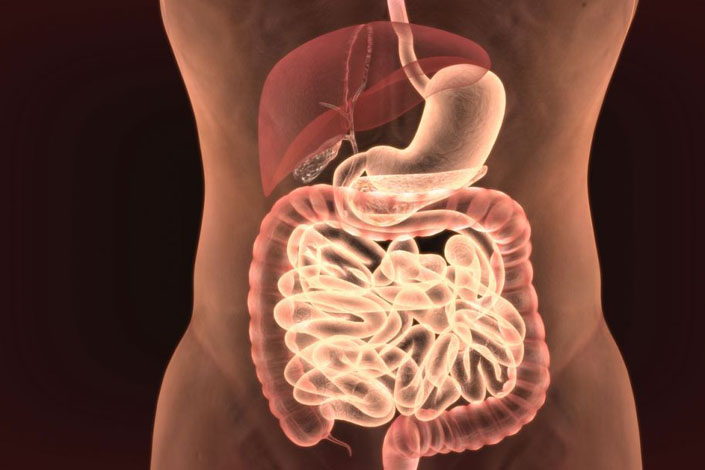
Zdjęcie: Photogenica.

Zaloguj się i przeczytaj bezpłatnie całą treść artykułu.

Nie masz jeszcze konta dostępowego?
Zarejestruj się bezpłatnie, a otrzymasz:
* dostęp do wszystkich doniesień oraz pełnych tekstów artykułów naukowych w naszej Czytelni,
* prawo do bezpłatnego otrzymywania newslettera "Aktualności TERAPIA" z przeglądem interesujących i przydatnych wiadomości ze świata medycyny oraz systemu ochrony zdrowia w Polsce i na świecie,
* możliwość komentowania bieżących wydarzeń oraz udziału w ciekawych quizach i konkursach.
Zapraszamy serdecznie, dołącz do naszej społeczności.
Inne prace autorów:

Dodaj komentarz